
US Tariffs: Refunds, Section 301 Duties and Importer Advice
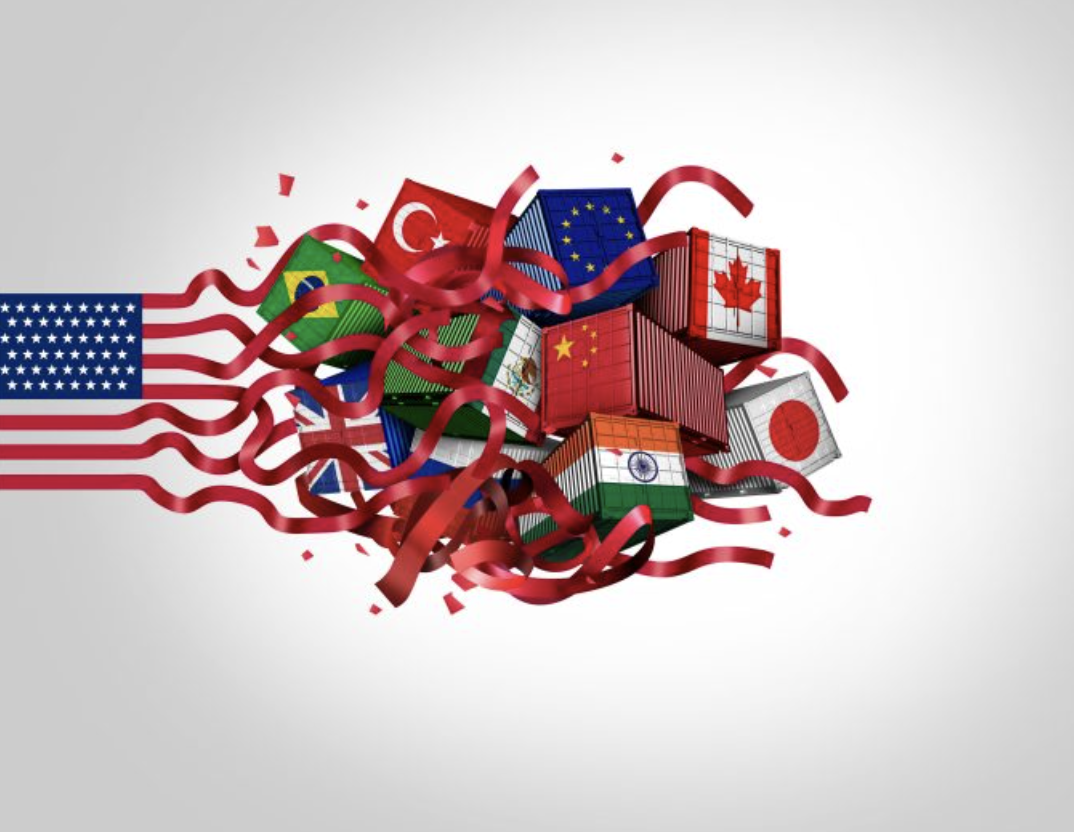
Table of content
1. Article summary
US importers are navigating another period of tariff change following court rulings that overturned earlier duties and triggered a large-scale refund process. Around US$100 billion of approximately US$165 billion collected under the previous tariff regime has reportedly been refunded, highlighting the significant financial impact of the changes on businesses importing into the United States.
At the same time, new tariffs of 10% or 12.5% have been introduced under Section 301 of the Trade Act, covering imports from dozens of US trading partners. These measures are also facing legal challenges, creating continued uncertainty around landed costs and US import planning.
2. What shippers should consider
- Review duty exposure: Businesses importing into the US should maintain visibility over which tariffs apply to their products and countries of origin.
- Maintain accurate records: Clear import, classification and duty-payment records may become particularly important where tariff refunds or adjustments are involved.
- Monitor landed costs: New Section 301 duties may change the commercial viability of particular sourcing arrangements or suppliers.
- Keep sourcing strategies flexible: Continued changes to US trade policy may influence where businesses source goods and how supply chains are structured.
- Watch for further developments: Current Section 301 tariffs are facing legal challenges, meaning the US tariff environment may continue to evolve.
3. Moving forward
US importers and international exporters should expect tariff policy to remain an important consideration for supply chain planning in the short term. With refunds continuing and new duties under legal scrutiny, maintaining accurate shipment data, visibility over landed costs and flexibility in sourcing will remain important.
For information specific to your freight, customs or supply chain requirements, reach out to United Carriers to discuss what this may mean for your situation.

.png)